

Local councils across the New England can look forward to a smoother ride ahead, with the NSW Government unveiling a new, modern road re-categorisation system designed to finally bring clarity, fairness, and common sense to the way roads are managed in NSW.
For decades, councils have shouldered the bulk of road maintenance across the state – about 90 per cent of the network – often under outdated rules that didn’t reflect how communities have grown or how traffic has changed. Many roads were still classified according to how they were used generations ago, despite massive shifts in freight, population, and local development. The backlog and rising pressures were only made worse by a string of floods, storms, and escalating construction costs.
This week’s announcement marks a significant reset. The new framework puts evidence first and political guesswork firmly in the rear-view mirror. The government says its approach will create a clearer, fairer and more responsive model that focuses on how each road actually functions within the broader network.
Under the reforms, councils will have access to:
• Consistent statewide criteria to guide decisions
• An always-open application pathway instead of decade-long review cycles
• A new online self-assessment tool to help councils evaluate proposals early
• Prioritisation for roads that support housing growth, freight, resilience, and major projects
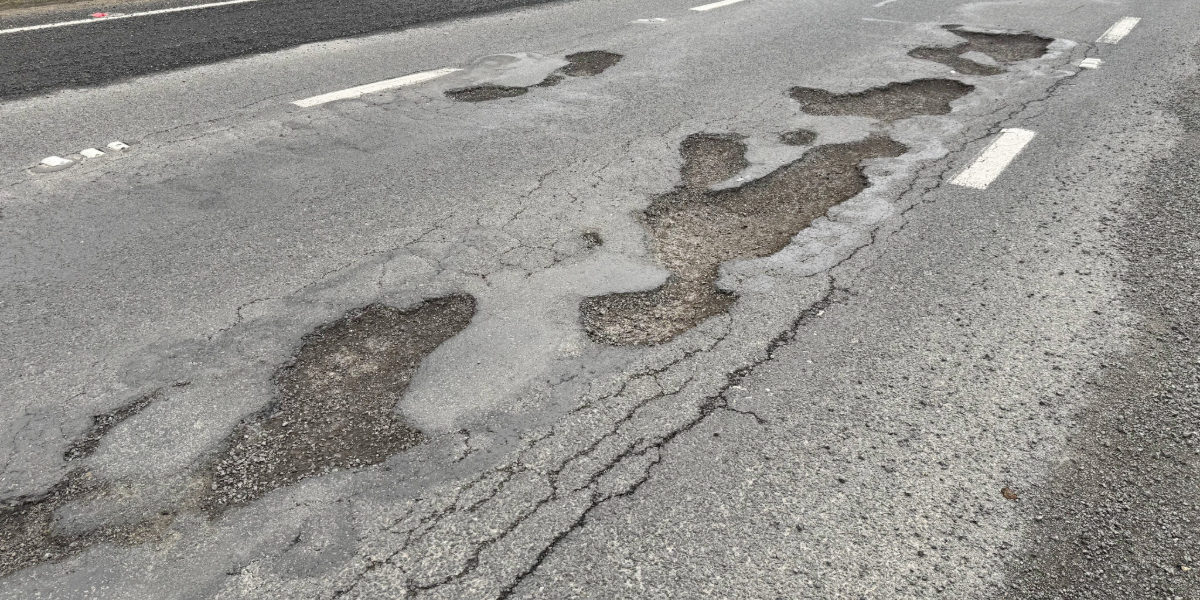
The goal is simple: get the right roads into the right category, reduce red tape and duplication, and improve how maintenance and investment are delivered across NSW. Several roads in the area, like the Armidale–Kempsey Road, have fallen into disrepair because they were categorised as local government roads when they should have been state roads.
With the new portal now open, councils can immediately begin submitting proposals for review. To ensure the system stays responsive, the government will conduct formal check-ins at three months, six months and then annually.
Minister for Roads Jenny Aitchison said the changes will finally give councils the fair and reliable process they’ve been asking for.
“The Minns Labor Government is rewriting the rules so councils have a clear, fair, and reliable way to get roads into the right category,” she said. “Drivers don’t care which level of government manages a road. They care that it’s safe, accessible, and well maintained.”
She said the new tools and transparent criteria mean decisions will now be guided by evidence and community need, not political whims or outdated assessments.
“Local councils are our partners,” she said. “After years of floods, fires, storms, and rising costs, we know they can’t do this alone.”
Minister for Local Government Ron Hoenig said the reform will have particular impact in regional NSW, where road networks are vast and essential to everyday life.
“Roads aren’t just a means to get from A to B – they’re a lifeline for these communities,” he said.
Country Mayors Association Chair Rick Firman welcomed the announcement, calling it “a positive step forward for our regional and rural councils, who have been managing enormous road networks with limited resources and increasingly severe weather impacts.”
Something going on in your part of the New England people should know about? Let us know by emailing newsdesk@netimes.com.au