

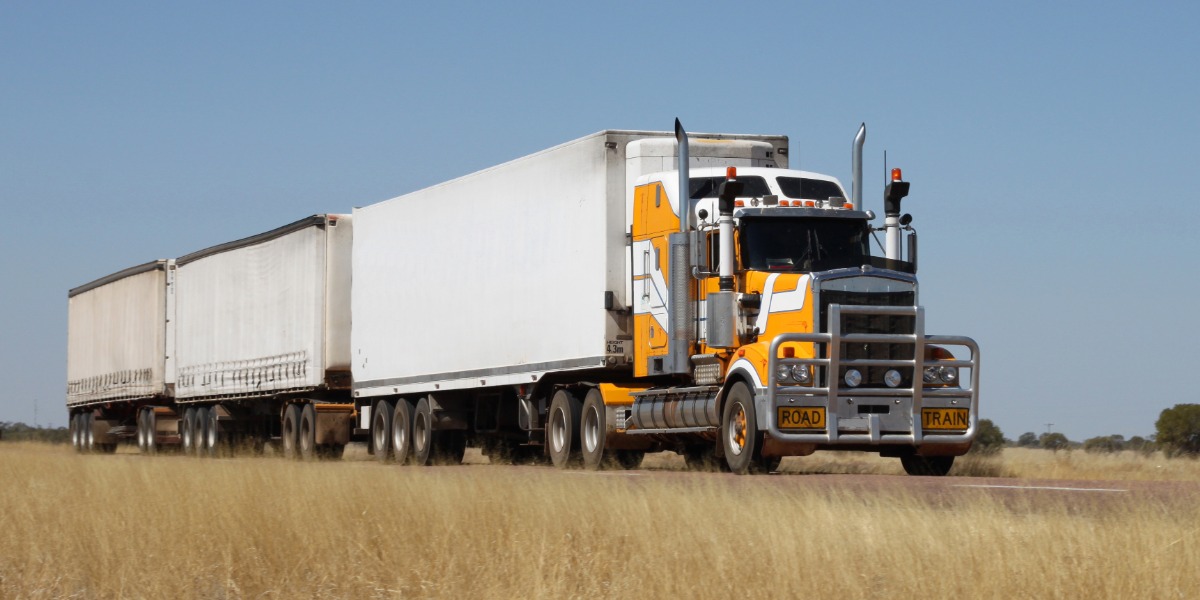
The NSW Government has moved to increase freight capacity and ease pressure on fuel supplies, announcing temporary changes to truck limits and operating hours as part of a coordinated national response to ongoing fuel disruptions.
Under the changes, larger and longer trucks will be allowed greater access to the road network, alongside more flexible delivery hours, in a bid to move more goods with fewer trips.
“These longer trucks will use at least 18 per cent less diesel per ton of payload and can carry 33 per cent more additional freight,” the government said.
The measures are designed to improve efficiency across supply chains and reduce overall fuel demand, particularly as regional communities continue to experience the sharpest impacts from distribution constraints.
The announcement comes as all levels of government shift to a more structured national approach, following agreement at National Cabinet on a new National Fuel Security Plan.
The plan establishes a four-stage framework designed to guide Australia’s response as fuel supply conditions change, providing governments and industry with a shared roadmap for action. It it intended to provide clarity and certainty and avoid some of the panic and disorder the nation experienced during the pandemic.
Australia is currently operating under Level 2 of the plan – “Keeping Australia Moving” – where fuel continues to arrive in the country but localised disruptions are occurring.
At this stage, governments are focused on stabilising supply and improving distribution, while encouraging voluntary reductions in fuel use.
For households and businesses, that means fuel remains available, but with growing emphasis on using only what is necessary.
At a national level, the Commonwealth is working to secure additional supply through international engagement and underwriting cargo shipments, while also managing strategic reserves and monitoring imports.
Data sharing with industry has been strengthened to provide clearer visibility of supply conditions, and regulatory settings may be adjusted to ensure more fuel is directed to the domestic market where needed.
States and territories are responsible for managing how fuel moves within their borders, including tracking service station availability, working directly with distributors, and implementing practical measures to improve efficiency.
The NSW freight changes announced this morning sit within that framework.
If the fuel situation deteriorates, then state and federal governments will agree to move to a higher level of response. Under Level 3, ‘Taking Targeted Action’ specific measures would be introduced to prioritise fuel use and reduce demand, including nationally consistent measures developed in consultation with industry. At Level 4, the most severe scenario, governments would move to actively prioritise fuel to critical services such as emergency response, healthcare and essential freight, backed by a national framework.
Officials have emphasised that movement between levels will be flexible, based on real-time indicators such as global supply conditions, shipping arrivals, stock levels and economic impacts.
Consultation with industry is built into each stage, with governments seeking to ensure that any escalation is both practical and effective. However, agriculture and food security are not specifically referred to in the National Fuel Security Plan.
For now, the focus remains on managing current pressures without moving to more restrictive measures.
In NSW, that means acting early to reduce demand while keeping goods flowing.
Transport Minister John Graham said the freight changes were aimed squarely at maintaining supply lines, particularly for regional areas.
“These changes are about keeping goods moving across NSW, especially to regional communities,” he said.
“By allowing larger trucks and extending operating hours, we can move more with less fuel.”
Like what you’re reading? Support New England Times by making a small contribution today and help us keep delivering local news paywall-free. Donate now