

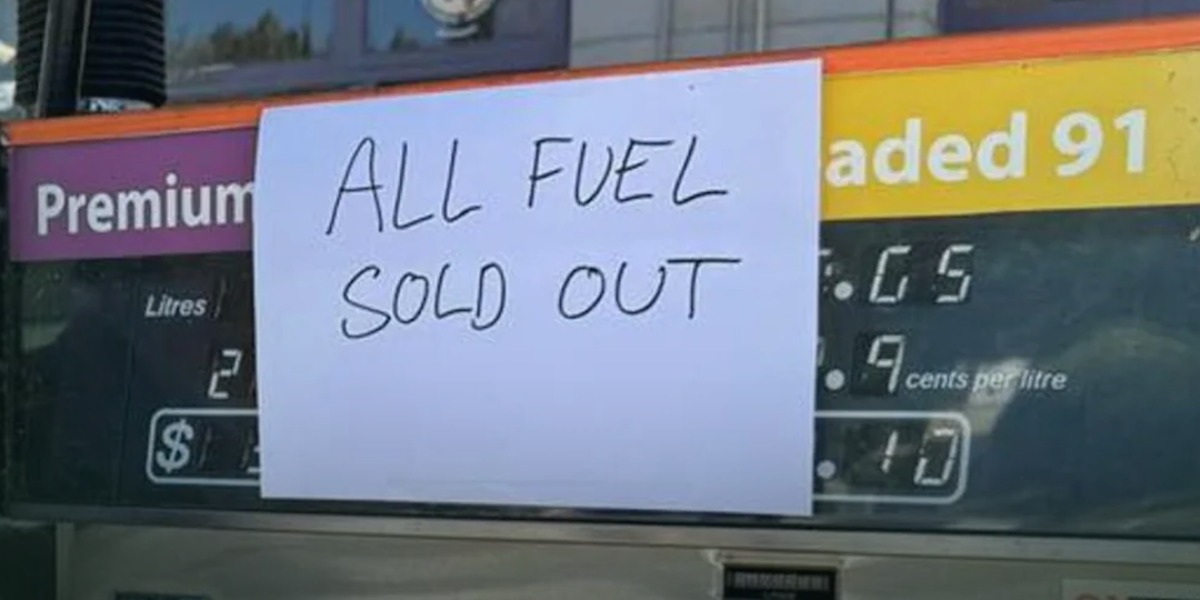
The Nationals have launched a new online tool to track fuel shortages across regional Australia, as governments move to ease diesel standards in a bid to boost supply during the deepening fuel crisis.
The website, nofuelhere.com.au, allows residents to report empty service stations and fuel access issues in real time, with data aggregated to provide evidence to policymakers about the scale of the problem.
The launch comes as the federal government announced a six-month change to diesel standards, lowering the flashpoint threshold to allow more fuel to enter the Australian market, as shortages spread and prices surge.
More than 180 service stations across NSW, Victoria and Queensland were reportedly out of fuel by Tuesday, with diesel supplies particularly constrained as the Middle East conflict continues to disrupt global supply chains.
Member for Parkes Jamie Chaffey said regional communities were already feeling the impact.
“I have had many calls and emails from concerned residents, farmers and business owners who just can’t get access to fuel, or are paying enormous prices for it,” he said.
“Agriculture and business are suffering in regional areas, and independent fuel suppliers and service station operators are also frustrated.
“Regional Australians don’t have the luxury of jumping on a bus or working from home. Fuel is how we get to work, how we get our kids to school, how our businesses and farms keep running. When the pumps are empty, our communities grind to a halt.”
The Coalition-backed platform is designed to capture on-the-ground reports from communities across the Parkes electorate and beyond, building a clearer picture of shortages in regional areas.
“I’m asking every local resident who has experienced a fuel shortage — or knows someone who has — to report it,” Mr Chaffey said.
“Every report strengthens our case to the Albanese Government that regional Australia needs its fair share of fuel security.”
Australia imports around 90 per cent of its refined fuel, leaving it exposed to international disruptions, with the current crisis linked to conflict in the Middle East and shipping constraints through key global supply routes.
Energy Minister Chris Bowen said the temporary change to diesel specifications would increase supply options without affecting engine performance or safety.
The adjustment lowers the diesel flashpoint from 61.5 degrees Celsius to 60.5 degrees, allowing a broader range of fuel imports to meet Australian standards.
The federal government has also flagged industrial relations changes to allow transport operators to renegotiate contracts more quickly in response to rising fuel costs.
Mr Chaffey said the government’s response so far had not addressed the reality facing regional communities.
“The Albanese Government says there’s no shortage – just a distribution problem,” he said.
“That is cold comfort if you’re in Broken Hill or Dubbo or Lightning Ridge and the local servos are out of unleaded or diesel, or are having to charge exorbitant prices. Regional Australia can’t wait for Canberra to catch up.”
Residents are being encouraged to report shortages as they occur, with the data expected to inform ongoing political and policy responses to the crisis.
Like what you’re reading? Support New England Times by making a small contribution today and help us keep delivering local news paywall-free. Donate now