

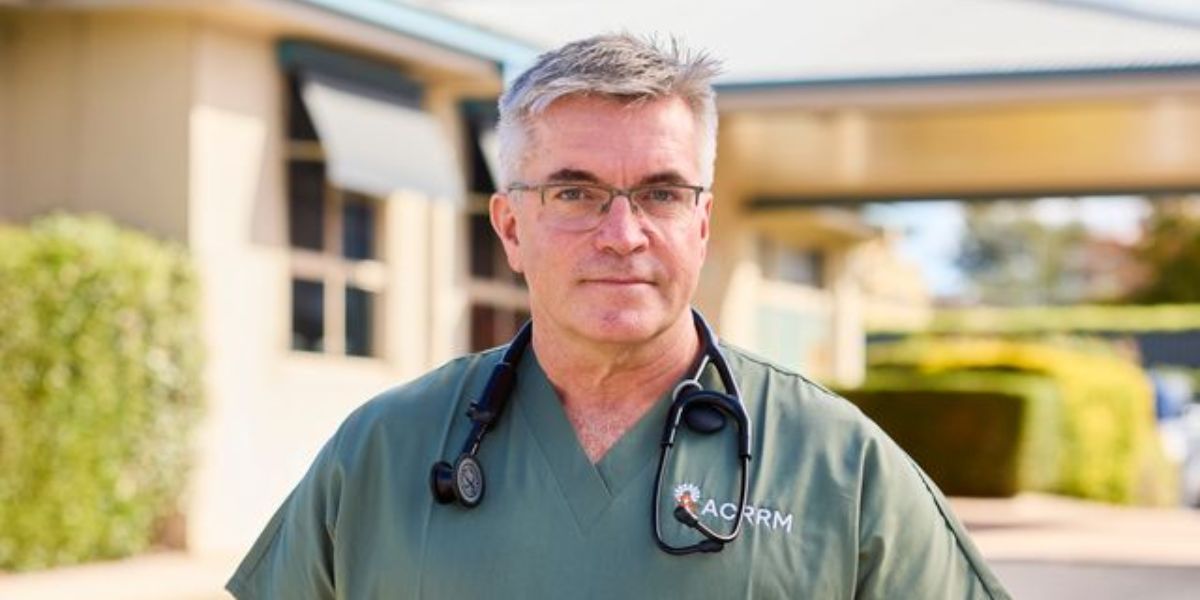
Six months after the NSW Government introduced its landmark Attention Deficit Hyperactivity Disorder (ADHD) reforms, health experts and advocates are welcoming the second phase, which will see GPs undertake vital diagnostic training.
“Tier two [of the reforms] will go a long way to taking even more pressure off our paediatricians, particularly in rural and regional areas, where there is currently no scope for them to see new patients,” Armidale Rural Generalist Dr Rod Martin told NE Times.
The initial reforms, which came into effect last September, allowed GPs to undertake training to provide repeat ADHD medication scripts. To date, as many as 800 practitioners have been accredited.
This has eased some of the burden for patients and specialists alike, with the state government acknowledging that 5000 patients have benefited.
Previously, most of those seeking ADHD care were forced to navigate a costly and overloaded non-GP specialist system.
This month marks another milestone for advocates such as Dr Martin, who have been lobbying for change for several years.
The latest reforms will see NSW Health fund 300 GPs across the state to undertake further training to allow them to formally diagnose ADHD, freeing up paediatrician workloads and helping more patients in need.
“The training itself is not too onerous, and there are different varieties of training,” Dr Martin added. “It’s taking advantage of the fact that GPs have a good understanding and exposure of the breadth of psychological issues and developmental issues [associated with ADHD].
“It should be relatively easy for experienced doctors to learn.”
Dr Martin, who is on NSW Health’s pilot program training panel, said the challenge was how to ensure the state is adequately covered when it comes to the number of training spots available.
To date, 600 GPs have expressed interest.
“The challenges will still be having enough training spots for people to do the work, because it takes a bit of time to do that training, unless you’re self-funding it,” added Dr Martin.
As for the consensus in hospital wards and clinics regarding the reforms, Dr Martin said they had been among the most well-received changes in his lengthy career.
“We’re very lucky that we have the Chief Health Officer that we do in NSW. Kerry Chant has been outstanding in this space.”
The latest data shows that at least one child in every classroom has ADHD. Armidale dad Bevan Michel knows all too well the need for trained specialists and greater awareness.
Mr Michel’s son Owen, now 15, was diagnosed with ADHD six years ago. Sadly, his specialist paediatrician closed his practice without warning, leaving Owen and 200 of his patients in the lurch with no avenue for continued care.
Forced to ration Owen’s medication over a period of 12 months due to a two-year waiting list for specialised care, the family spent $700 on an urgent telehealth specialist consultation in Sydney.
Despite their challenges, which included Owen falling behind at school, the Michels were fortunate enough to find an ally in their family GP, Dr Martin.
“Together, we went to the Health Minister and our local MPs, and as a result we are where we are today,” Mr Michel added.
“That being said, I believe we’re still missing out on qualified paediatric specialists, especially in country areas [those in Armidale have closed books], but this GP training will certainly create awareness.”
Owen was able to turn things around at school and is currently doing a school-based apprenticeship.
“He’s in a position now where he can do the panel beating apprenticeship, follow that by a spray-painting apprenticeship and end up coming out at the same time as someone who goes to university,” Mr Michel said.
Dr Martin is hopeful that more students like Owen will now have more of a chance to thrive.
He believes the reforms will eventually “strike a balance between having enough education and exposure and having it seen as not so onerous that plenty of people will commit to doing the work”.
Dr Martin emphasised that a full ADHD assessment takes time, and unfortunately in general practice it is often the things that take time that go unrewarded.
“A GP’s greatest reward, financially, is being able to get through the patient load in a day, and that means seeing someone every 12 to 13 minutes.”
An ADHD assessment takes three times that time, and it’s not compensated accordingly, he said.
“It would help if there was a proper dedicated [Medicare] item number that matched the amount of time, experience and training needed for an ADHD assessment.
“It would also mean that a patient wouldn’t necessarily be out of pocket and could afford that episode of care.”
Don’t miss any of the important stories from around the region. Subscribe to our email list.