

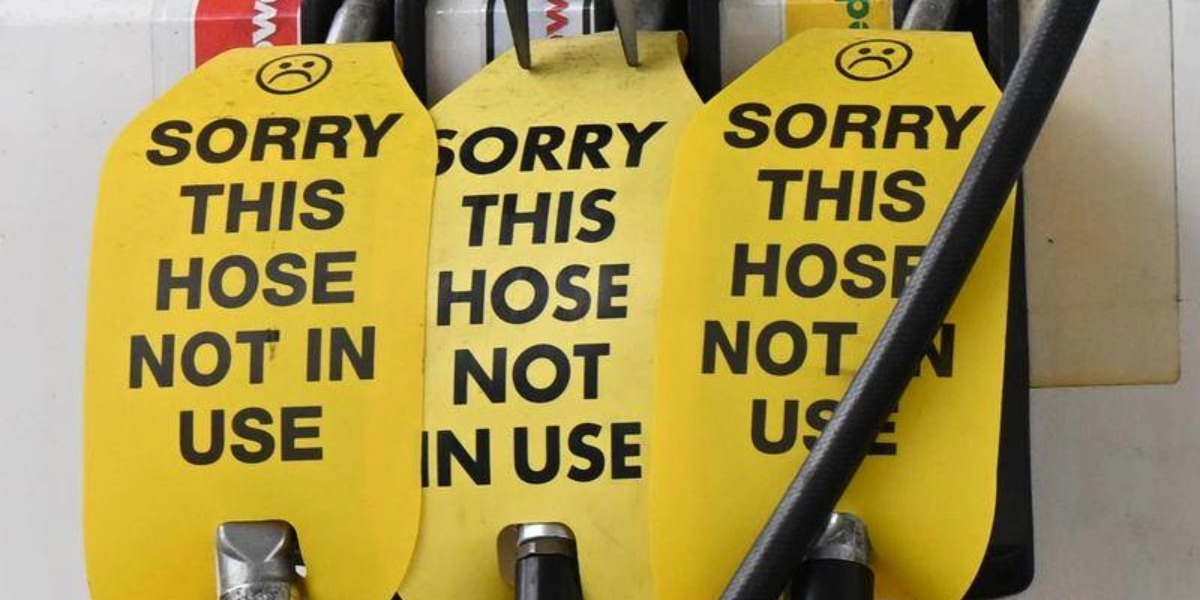
Fuel shortages are deepening across New South Wales, with 187 service stations now out of diesel as the state government moves to force major fuel companies to reveal how supply is being distributed.
The latest figures, confirmed by NSW Premier Chris Minns, show the crisis is no longer confined to regional areas, with more outages now occurring in metropolitan Sydney than in the bush.
“As of the latest count, there are 32 petrol stations in New South Wales without any kind of fuel,” Minns said.
“That’s down from 51 stations yesterday but concerningly, 187 stations are out of diesel.”
He said the shortages are now split between 78 regional stations and 109 in metropolitan Sydney, marking a shift in the pattern of the crisis.
“So whereas earlier in the crisis, we saw more regional stations having a lack of diesel, now we’re seeing more Sydney stations,” he said.
The change is significant, both in terms of impact and response. While regional shortages had been building for weeks, the spread into metropolitan areas has prompted faster and more direct action from government.
The NSW Government has now announced it will compel major fuel companies to provide detailed information on their supply chains, including stock levels and distribution plans, particularly to regional communities.
“These companies account for more than 85 per cent of liquid fuels entering Australia, and the NSW Government will use its legislative powers to ensure there is full transparency over how fuel is being allocated across the state,” Minns said.
The move is part of a broader effort to address what the government says is a distribution problem rather than a supply shortage.
“It’s also true that… we have more fuel available than we did on the 25th of January… it’s just that the marketplace is not efficiently distributing it,” Minns said.
That assessment has been echoed by federal authorities, who maintain that fuel shipments continue to arrive in Australia despite disruption caused by the conflict in the Middle East.
Energy Minister Chris Bowen has told federal parliament that six shipments cancelled due to the conflict have now been replaced, with additional vessels secured, easing concerns about tightening supply in the months ahead.
But while national supply may be holding, the experience on the ground continues to reflect a system under strain.
Minns said fuel availability is shifting day to day as distributors move supply between locations.
“What we’re seeing right now is not a shortage of fuel coming into the country, it’s a challenge in how that fuel is being distributed across the state,” he said.
“Fuel is still moving through the system, but it’s uneven. Some stations are running short while others are being restocked.”
He said that in most cases, motorists are still able to access fuel within a reasonable distance.
“I can also report… that of the stations that are without fuel, there is an alternative service station with fuel within 30 kilometres,” he said.
Even so, the growing number of outages is placing increasing pressure on businesses and households, particularly as prices continue to rise.
In response, the NSW Government will establish a Liquid Fuel Emergency Operations Centre in Parramatta within 24 hours, bringing together agencies including Transport for NSW, NSW Police and the Department of Primary Industries to coordinate the response.
The centre will track fuel availability, identify pressure points and work with industry to redirect supply to where it is needed most.
Minns said the government is also focused on managing demand, particularly among large fuel users such as agriculture, construction and mining.
“If we’ve got a line of sight as to how demand will be managed… we could share that information with the fuel companies and as a result not run short because of… people purchasing it on the same day,” he said.
“If we can stagger some of those entry points into the marketplace and not overconsume at the beginning of the crisis, then we’re in a better situation to manage the situation in the weeks ahead.”
He rejected suggestions that the situation would lead to extreme measures such as lockdown-style restrictions, but acknowledged conditions could worsen if global supply is disrupted further.
“This is not that kind of emergency… but that doesn’t mean we’re not preparing for a situation that could get gradually worse in the weeks ahead,” he said.
The worsening situation has also sparked calls for a temporary cut to fuel excise, with the Opposition arguing immediate cost-of-living relief is needed as shortages and price increases begin to bite. The current fuel excise is 52.6 cents per litre.
What do you need to know to get through the fuel crunch?
Tell us what information you need to make it through the fuel shortage crisis. Suggest a story!
Read other fuel crunch stories here.